
- Give Us A Call (817) 386-7592
- Get Directions
-
Financing Available


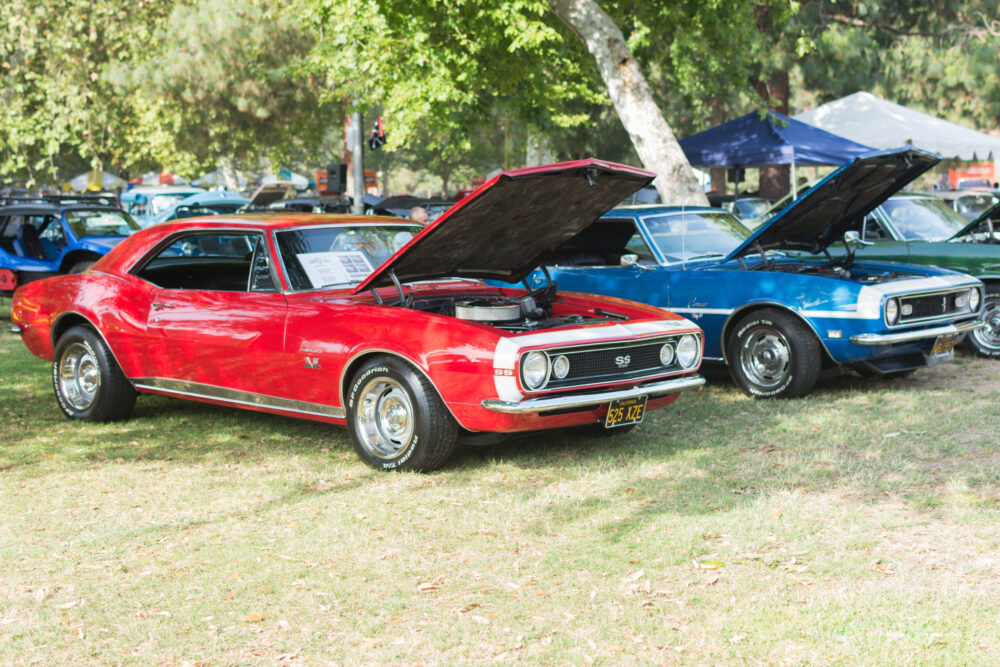
Age, infrequent use, dried seals, outdated fluid formulations, and decades of wear all affect how older automatic and manual transmissions perform today. This article addresses the most common transmission symptoms classic car owners experience, explains why those issues occur, and outlines the diagnostic and maintenance practices that help preserve originality, reliability, and drivability without compromising the character of the vehicle.
Transmission problems in older vehicles often develop gradually. Because many classics are driven less frequently, small issues can go unnoticed until they become more serious.
Common symptoms include:
Unlike modern vehicles, classic cars require maintenance schedules that account for age as much as mileage.
For many vintage vehicles, transmission fluid should be changed approximately every three years or 36,000 miles, whichever comes first. Vehicles driven infrequently may still require fluid changes due to moisture buildup and fluid degradation over time.
Clean, healthy transmission fluid should appear bright red and translucent. Dark brown or black fluid with a burnt smell is a sign that damage may already be occurring internally.
Fluid selection is critical for classic vehicles.
Many modern transmission fluids contain detergents and additives designed for contemporary seal materials. In older transmissions, these additives can accelerate seal deterioration or cause leaks.
Using the correct fluid type specified for the original transmission design is essential. This often requires a specialist familiar with vintage drivetrains and fluid compatibility.
For many classic car owners, maintaining matching numbers and original components is a priority.
Rebuilding the original transmission is often preferred over replacement, but it requires a shop with experience in vintage systems. Older transmissions demand careful inspection, proper machining, and an understanding of historical design differences that modern shops may not encounter regularly.
A rebuild performed correctly can restore drivability while preserving the value and authenticity of the vehicle.
Overheating is a common issue in older vehicles, particularly during spirited driving, extended idling, or occasional towing.
Common causes include:
Once transmission fluid overheats, it rapidly loses its protective qualities, increasing wear on internal parts.
Before returning a classic car to the road after storage, a careful inspection is essential.
Key areas to review include:
Addressing small issues before driving helps prevent damage caused by dried seals and pressure loss.
Preventative care is especially important for older vehicles.
Best practices include:
Early diagnosis often prevents irreversible internal damage.
Classic cars are more than transportation. They are investments, heirlooms, and pieces of history.
Transmission problems do not have to be the end of the road. With proper diagnosis, correct fluid selection, and experienced hands, older transmissions can remain reliable and enjoyable for years to come.
If your classic car is showing transmission symptoms or you want a professional evaluation before driving season begins, call Top Notch Transmissions and speak with a specialist who understands vintage drivetrains. Protecting originality starts with informed care.