
- Give Us A Call (817) 386-7592
- Get Directions
-
Financing Available


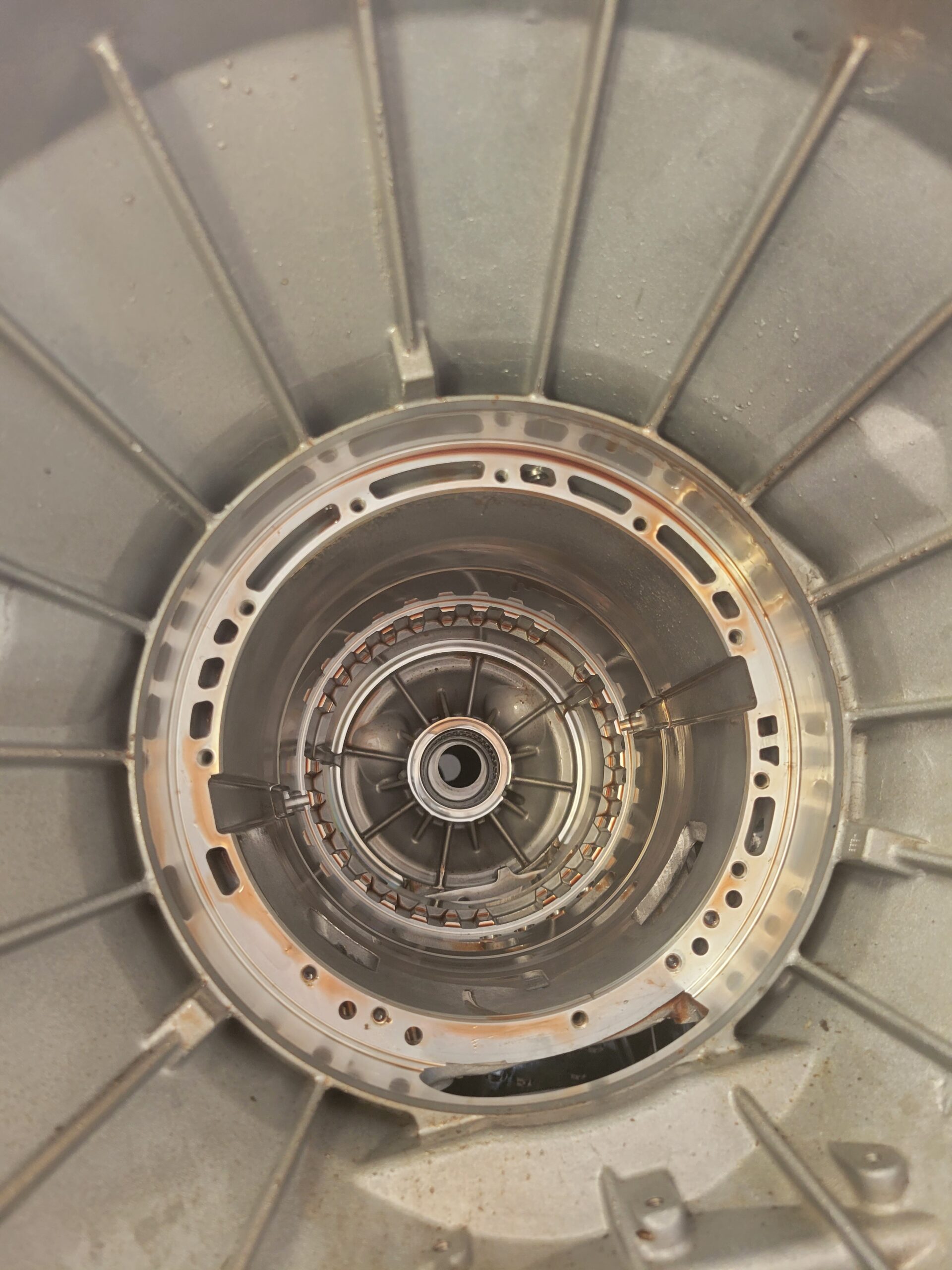
When a transmission problem appears, many vehicle owners are encouraged to look for the fastest and least expensive fix. That mindset is understandable, but it often leads to repeated failures, escalating damage, and higher long-term costs. This article explains what so-called patch repairs really are, why they frequently fail, and how a Master Rebuilder approach shifts the decision from short-term repair to capital preservation by addressing root causes, verifying performance, and protecting the long-term value of your vehicle.
A patch repair focuses on restoring basic function rather than correcting the underlying cause of failure.
In transmission work, this typically means replacing only the visibly damaged component, clearing fault codes, or addressing a symptom without inspecting how contamination, heat, or pressure instability has affected the rest of the system.
The transmission may operate well enough to leave the shop, but the conditions that caused the failure are often still present. This is why many vehicles return with the same issue weeks or months later.
Generalist shops are often structured around speed and volume. Their goal is to get the vehicle back on the road as quickly as possible using minimal disassembly.
Common reasons patch repairs are offered include:
While this approach may reduce upfront cost, it transfers risk directly to the vehicle owner.
Transmission failures rarely occur in isolation.
When a component fails, metal debris, degraded fluid, and heat stress are often distributed throughout the system. Clutches, seals, pumps, valve bodies, and cooling circuits may all be affected, even if only one part appears to be the problem.
Patch repairs typically do not address:
As a result, the transmission remains vulnerable to repeat breakdowns.
Each subsequent failure compounds damage.
A transmission that has already experienced contamination or overheating becomes more difficult and more expensive to restore properly. Components that could have been saved early often become unusable after repeated patch attempts.
Beyond repair costs, repeat failures create additional expenses through:
What begins as a “quick fix” often turns into a cycle of escalating problems.
A Master Rebuilder approach starts with a different assumption: that a transmission failure is a system-level problem, not an isolated event.
Instead of patching symptoms, the entire unit is evaluated, disassembled, and engineered to correct known failure points. This includes identifying factory design weaknesses, upgrading critical internal components, and restoring pressure and thermal stability throughout the system.
The focus is not just on restoring function, but on restoring confidence.
A Master Rebuilder process typically includes:
This approach eliminates guesswork and reduces the likelihood of repeat failures.
A vehicle is a capital asset.
Whether it is a daily-driven truck, a fleet vehicle, or a classic car, protecting that asset requires decisions that consider long-term reliability, not just short-term cost.
A properly engineered and verified rebuild preserves the value of the vehicle by extending its service life, reducing downtime, and minimizing the risk of catastrophic failure. In contrast, patch repairs often accelerate depreciation by allowing ongoing internal damage.
Not all transmission work is created equal, and not every fix is designed to last.
Before authorizing a quick repair or partial fix, ask whether the shop is addressing the root cause of failure or simply masking the symptoms. A short conversation with a transmission specialist can help you understand the difference between a temporary repair and a long-term solution.
Call Top Notch Transmissions before you commit to a patch repair and learn how a Master Rebuilder approach protects your vehicle for the long run.