- Give Us A Call (817) 386-7592
- Get Directions
-
Financing Available


Today, replacing your vehicle often means signing up for a new car loan that can easily exceed $40,000, with monthly payments stretching on for years. Before you take that step, it is worth understanding why a professionally rebuilt transmission is often the smarter, lower-risk path.
This guide explains how to recognize early warning signs, why a specialized rebuild can outperform factory designs, and how a long-term warranty changes the equation entirely.
When a transmission issue appears, many drivers assume the vehicle is nearing the end of its life. That assumption often leads straight to the dealership.
What many Fort Worth drivers do not realize is that the average new vehicle purchase today often comes with a loan well above $40,000, plus higher insurance costs and immediate depreciation. Even reliable trucks and SUVs lose significant value the moment they leave the lot.
If your engine, frame, and overall condition are solid, replacing the transmission can allow you to keep a dependable vehicle without taking on years of new payments.
Transmission problems rarely appear without warning. Catching issues early can help prevent additional damage and unexpected breakdowns on busy roads like I-35.
Common warning signs include:
If you notice one or more of these symptoms, it is time to have the transmission professionally evaluated.
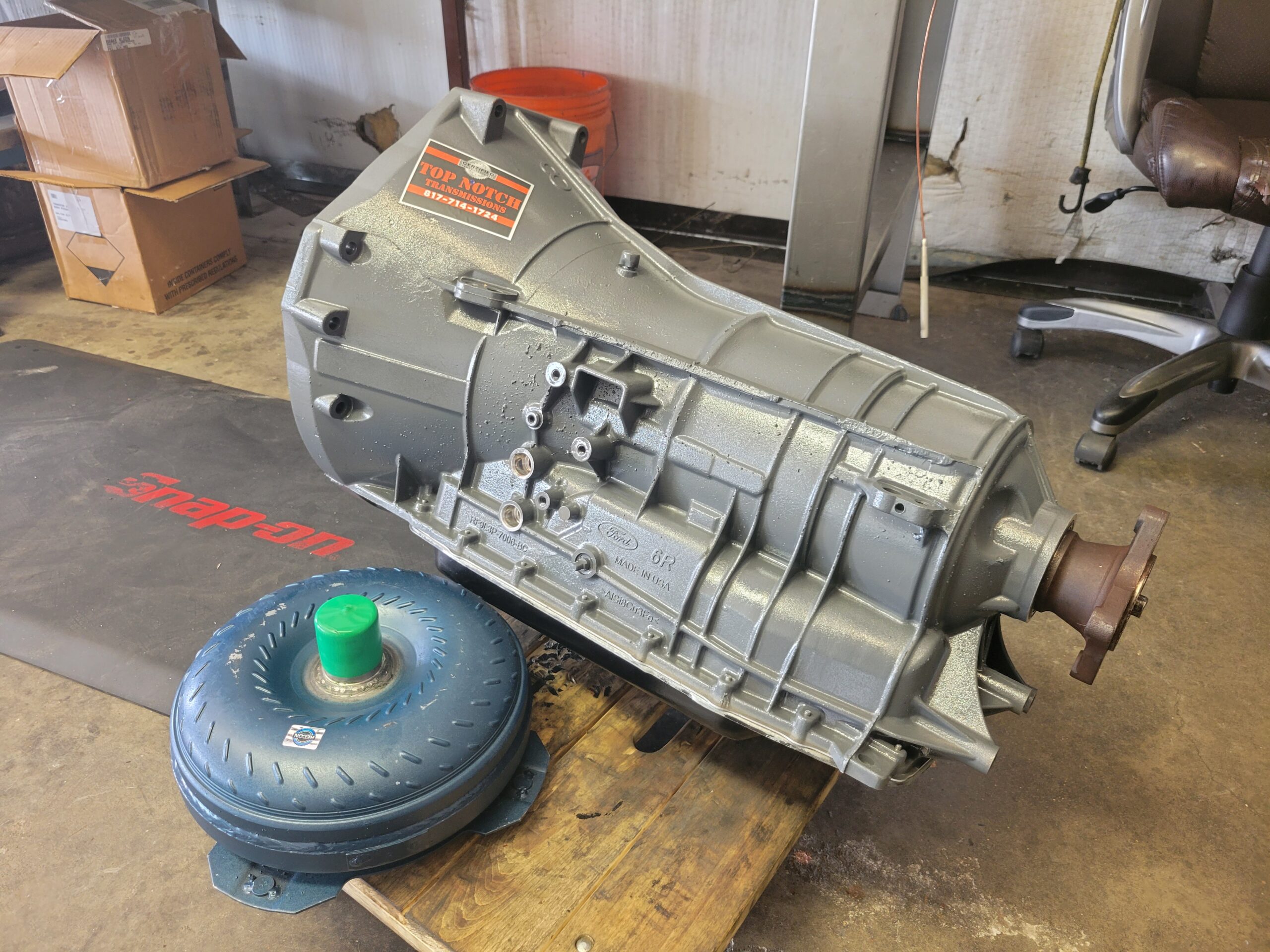
At Top Notch Transmissions, we do more than replace failed parts. Our Certified Remanufactured Transmissions are built using a master rebuild process that corrects known factory weaknesses.
Instead of reinstalling the same components that failed the first time, we upgrade critical internal parts using proven engineering solutions from manufacturers like Sonnax and TransGo. These improvements are designed to withstand heavy loads, towing demands, and the extreme heat common in North Texas driving conditions.
The result is a transmission that is often more durable and reliable than the original factory unit.
One of the biggest concerns drivers have after a major repair is uncertainty. Will it shift correctly? Will it hold up under real driving conditions?
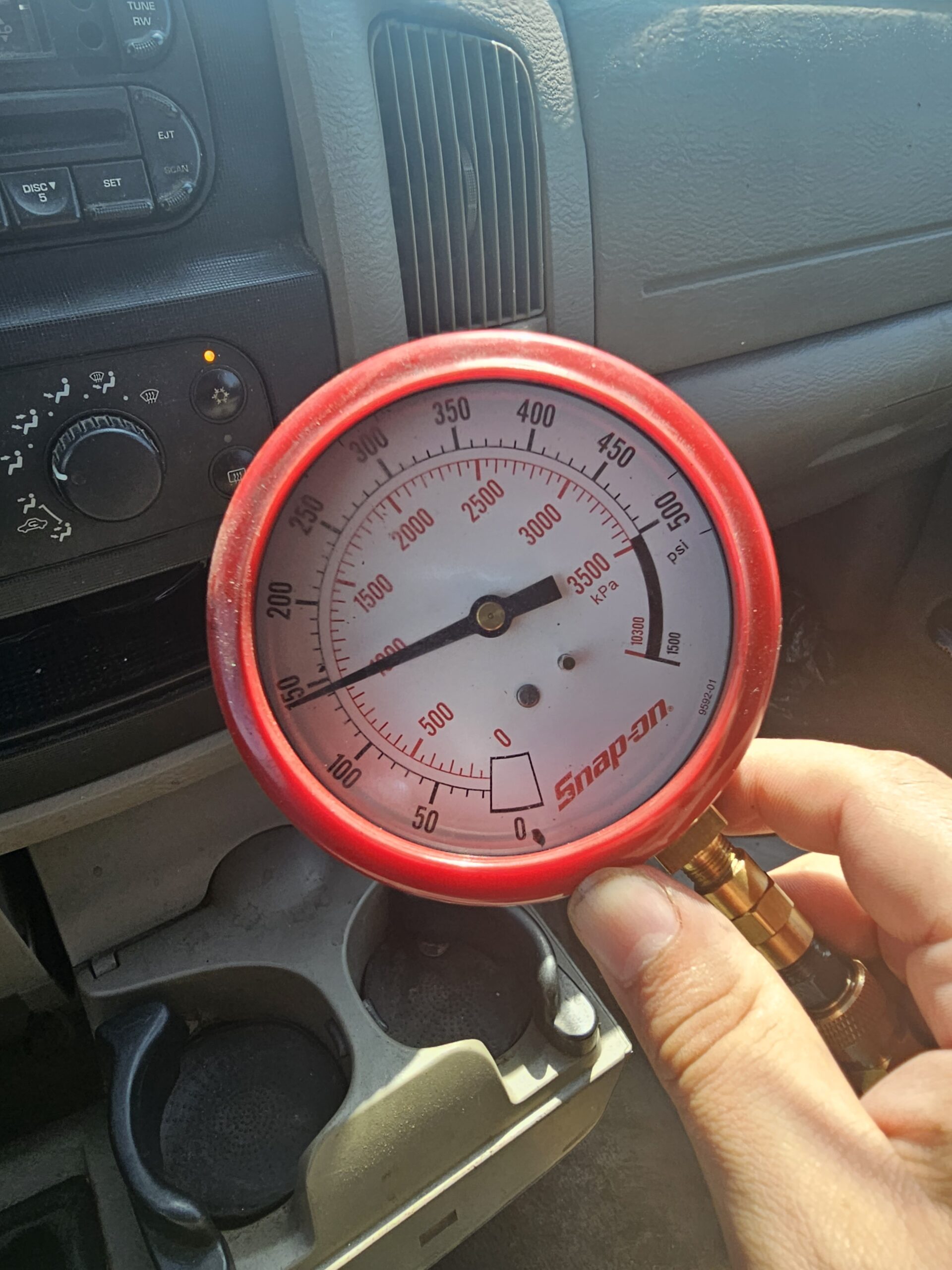
Every Certified Remanufactured Transmission is tested on a dynamometer before installation. This allows us to simulate real-world driving conditions and verify proper operation under load. Key performance metrics like fluid pressure, shift timing, and response are carefully evaluated before the transmission ever goes back into your vehicle.
This process replaces hope with confidence.
A rebuild is only as good as the warranty behind it.
Every Certified Remanufactured Transmission from Top Notch Transmissions is backed by a 3-year warranty, giving you long-term protection and peace of mind. This warranty reflects our confidence in the quality of our workmanship and the components we install.
You are not just getting a repair. You are getting a transmission built to last and supported long after you leave the shop.
Before you sign paperwork on a new vehicle or assume your transmission problem means starting over, talk to a specialist who rebuilds transmissions every day.
A short conversation can help you understand your options, the condition of your vehicle, and whether a Certified Remanufactured Transmission makes sense for your situation.
Call Top Notch Transmissions today to speak directly with our team and get answers you can trust.
A certified remanufactured transmission is designed to provide long-term reliability. When properly maintained, it can deliver many years of dependable performance, often comparable to or better than the original factory transmission.
A certified remanufactured transmission includes upgraded internal components, corrections to known factory design issues, and comprehensive testing before installation. It goes beyond simply replacing broken parts.
Yes. All Certified Remanufactured Transmissions from Top Notch Transmissions are backed by a 3-year warranty, providing added confidence and protection.
Dyno testing allows the transmission to be tested under simulated driving conditions before installation. This helps ensure proper operation, accurate shifting, and overall reliability before the vehicle is returned to the customer.
If the rest of your vehicle is in good condition, repairing or replacing the transmission is often a practical alternative to taking on the long-term financial commitment of a new car. A professional evaluation can help you make an informed decision.