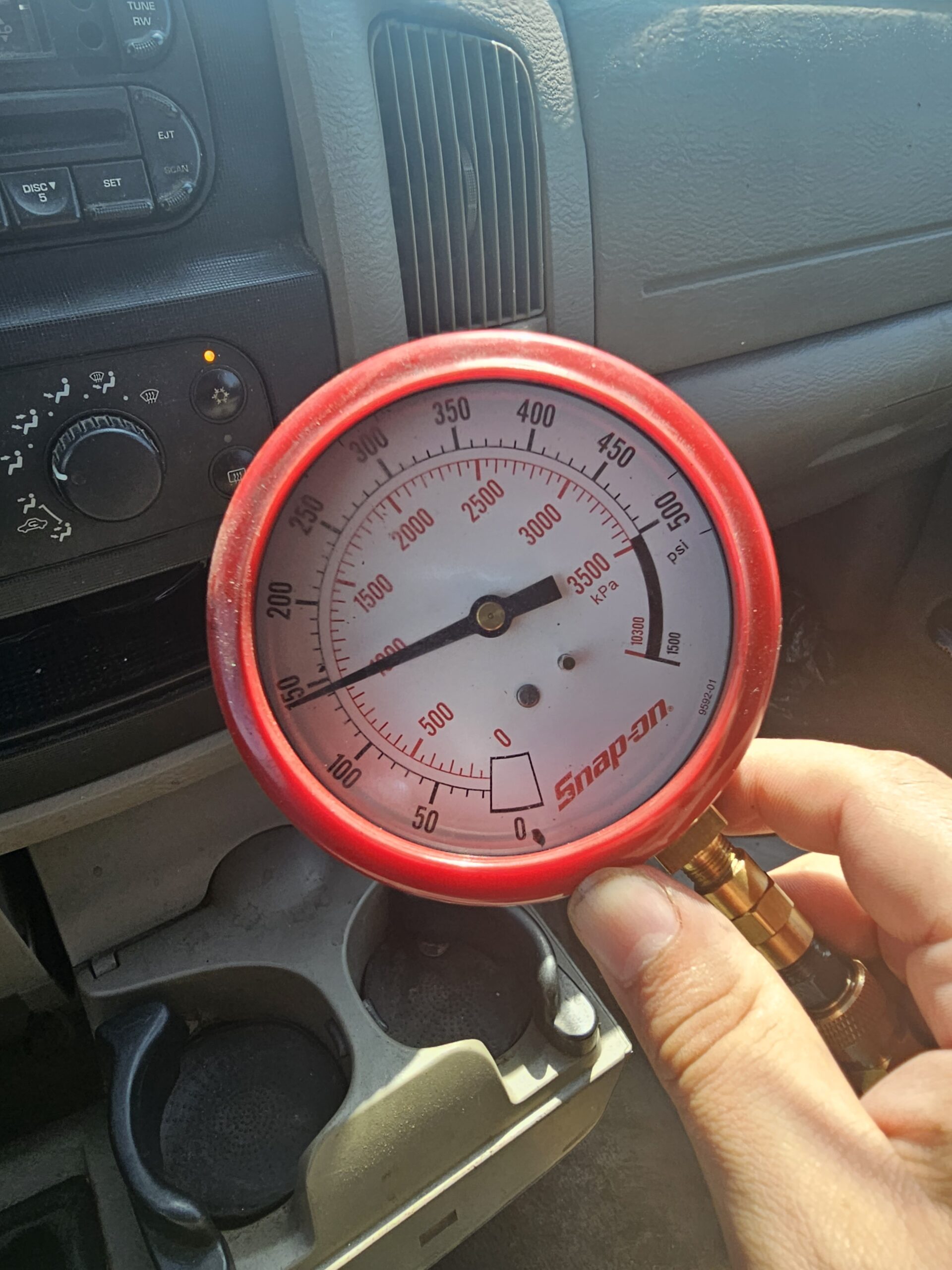
For fleet managers, transmission failures are rarely sudden events. They are usually the result of warning signs that appear weeks or even months in advance, combined with severe duty conditions like heavy loads, stop-and-go traffic, high temperatures, and inconsistent maintenance schedules. This article outlines the most common transmission warning signs fleet managers ask about, explains how heat and fluid breakdown accelerate failures, reviews maintenance best practices for severe-duty vehicles, and highlights driver habits that can prevent costly downtime, especially in heavy-duty and automated manual transmission applications.
Common Transmission Problems and Early Symptoms
Transmission issues often begin subtly, but ignoring early symptoms can quickly lead to major failures that sideline vehicles and disrupt operations.
Common warning signs include:
- Slipping Gears
The engine revs but the vehicle does not accelerate as expected, or power drops during acceleration. This often points to fluid breakdown, pressure loss, or internal clutch wear.
- Rough or Delayed Shifting
Harsh, jerky shifts or hesitation when moving from Park into Drive or Reverse can indicate pressure instability, valve body issues, or electronic control concerns.
- Unusual Noises
Grinding, whining, or clunking sounds during shifts may signal internal wear, damaged components, or torque converter problems.
- Burning Smells
A burnt odor is often caused by overheated or leaking transmission fluid contacting hot surfaces, a sign that internal temperatures may already be unsafe.
- Fluid Leaks
Reddish or brown fluid under a vehicle points to seal degradation or cooler line issues and should be addressed immediately.
Warning Lights and Overheating Risks
Dashboard alerts should never be dismissed in fleet vehicles.
- Check Engine or Transmission Warning Lights
These lights often indicate fault codes related to pressure control, temperature thresholds, or sensor failures that require immediate diagnosis.
- Overheating Conditions
Low fluid levels, restricted cooling, or sustained heavy loads can cause internal temperatures to rise rapidly. Overheating accelerates fluid oxidation and can lead to clutch failure, warped components, and total system breakdown.
Heat related damage often progresses internally long before a vehicle becomes undrivable.
Maintenance Schedules for Severe Duty Fleets
Fleet vehicles operate under far more demanding conditions than personal vehicles, which means maintenance intervals must reflect real-world use.
General guidelines include:
- Automatic Transmissions
Service intervals typically range from 30,000 to 60,000 miles. For severe duty use such as towing, stop and go driving, or high heat environments, servicing may be required as often as 15,000 to 30,000 miles.
- Manual Transmissions
Service intervals vary widely but often fall between 50,000 and 100,000 miles depending on load, usage, and operating conditions.
- Fluid Service
Regular fluid replacement is critical for lubrication, cooling, and pressure stability. Degraded fluid is a leading cause of slipping, noise, and overheating.
- Fluid Type Matters
Always use the OEM specified fluid for the exact transmission model. Incorrect fluid types can cause shifting issues, premature wear, and internal damage.
Automated Manual Transmissions and Air System Maintenance
For fleets operating vehicles with automated manual transmissions, air system maintenance is often overlooked but critical.
- Daily Air Tank Draining
Moisture buildup in air tanks can lead to corrosion, freezing, and actuator failures that affect clutch and shifting performance.
- Annual Air Dryer Service
Servicing air dryers helps prevent contamination that can disrupt air operated components within the transmission system.
Air related issues are a common source of AMT shifting complaints and misdiagnosis.
Diagnosing Transmission Issues Early
Early diagnosis can prevent cascading damage.
Best practices include:
- Scanning for fault codes using appropriate diagnostic equipment
- Checking fluid level, color, and odor
- Inspecting for leaks at seals, lines, and coolers
- Reviewing recent operating conditions such as overheating or overload events
Consulting a transmission specialist early often reduces downtime and repair scope.
Repair Versus Replacement Decisions
Whether a transmission should be repaired or replaced depends on the extent of internal damage, contamination, and system wear. Fleet managers benefit from working with specialists who understand heavy-duty applications and can evaluate the full system, not just isolated symptoms.
A professional assessment provides clarity before committing to major decisions.
Driver Training That Prevents Transmission Failures
Driver behavior plays a significant role in transmission longevity.
Key training points include:
- Allowing proper warm-up before heavy loads
- Using correct gear selection for grades and towing
- Avoiding overloading beyond vehicle ratings
- Coming to complete stops before shifting between Drive and Reverse
Proper shifting habits reduce heat buildup and internal stress.
The Importance of Proper Torque Specifications
During service and repairs, critical fasteners such as flywheel bolts and pressure plate hardware must be torqued to specification. Improper torque can lead to fastener failure, vibration, and catastrophic damage.
Attention to detail during assembly matters just as much as component quality.
Protecting Fleet Reliability Starts With a Conversation
Transmission failures are one of the most costly sources of fleet downtime, but they are also among the most preventable.
Recognizing early warning signs, maintaining proper service intervals, using correct fluids, and training drivers appropriately can dramatically extend transmission life.
If your fleet is experiencing transmission symptoms or you want to establish a preventative maintenance strategy for severe-duty use, call Top Notch Transmissions and speak directly with a transmission specialist before small issues become major failures.